
TRUCK ACCIDENT REPRESENTATION · TAMPA, FLORIDA
A serious truck crash can leave you facing treatment, lost income, and calls from insurers while you are still trying to recover. Baird Law Group helps injured people and families investigate what happened, identify potentially responsible parties, and pursue compensation supported by the evidence.
Cory A. Baird has been licensed in Florida since 2002 and previously defended insurers in personal injury cases. That perspective informs how our firm evaluates disputed liability, medical evidence, and insurance coverage.
Free consultation · No obligation · No fees or costs unless you recover
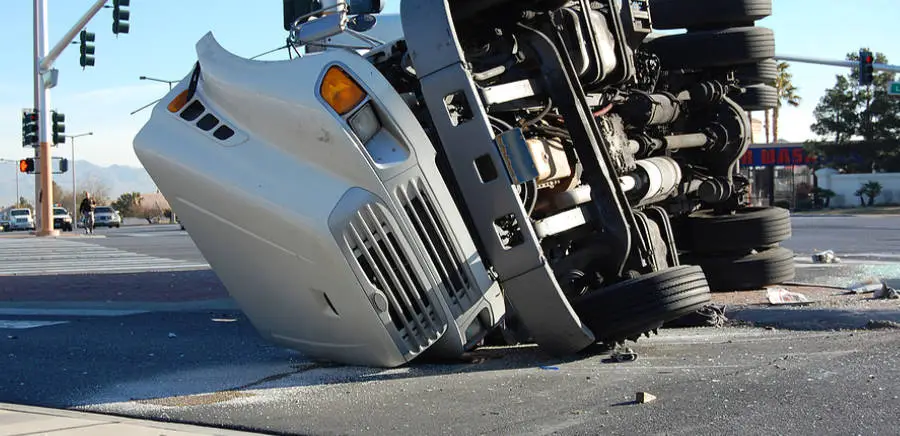
Driver records, company practices, maintenance, and cargo information may help explain why a crash happened.
FLORIDA COUNSEL
Licensed in Florida since 2002
INSURANCE PERSPECTIVE
Former insurance-company defense attorney
CONTINGENCY FEE
No fees or costs unless you recover
TAMPA OFFICE
701 S. Howard Ave., Suite 201
ON THIS PAGE
A DIFFERENT KIND OF INVESTIGATION
The truck driver, motor carrier, vehicle owner, and companies involved in maintenance or loading may have different roles. A careful investigation identifies who controlled each part of the operation and whether a failure contributed to the collision.
The firm reviews claims involving tractor-trailers, 18-wheelers, delivery trucks, and other commercial vehicles. The vehicle, type of operation, and facts determine which safety rules and insurance policies may apply. A company’s name on a truck does not settle liability by itself.
What caused the crash?
Driver actions, vehicle condition, loading, and roadway evidence.
Who may be responsible?
The people and businesses whose conduct or legal responsibility connects them to the harm.
What did the injuries change?
Treatment, work, daily activities, and supported future needs.
HOW BAIRD LAW GROUP HELPS
A truck accident claim calls for more than a crash report. We examine the evidence, review potential coverage, and explain the choices ahead so you can make informed decisions throughout the case.
01
Identify vehicles, video, electronic data, and company records that may need preservation before repairs or routine changes affect what is available.
02
Review the driver’s actions, route, work records, equipment condition, and cargo issues when relevant to how the collision happened.
03
Examine ownership, employment, and operational roles to assess which parties may have legal responsibility. Liability requires a supported basis.
04
Evaluate applicable liability policies and other potential coverage. A commercial vehicle does not guarantee a particular policy limit or recovery.
05
Connect medical records, lost income, daily limitations, and supported future care with the losses the law allows you to pursue.
06
Present a supported claim, discuss settlement offers with you, and prepare for litigation when an appropriate resolution cannot be reached.
The collision pattern can point to questions worth investigating, but it does not establish fault on its own.
A preservation request can identify relevant records and physical evidence that should be retained. Additional steps may be needed to obtain the material and protect the claim.
You do not need to collect everything yourself. Bring the crash date, location, photos, report number, and insurance correspondence you already have.
Routine retention schedules differ. A retention rule is not a reason to wait, and a letter alone does not guarantee that evidence will be produced.
TRUCKING EVIDENCE
Some evidence is held by the carrier, a vendor, or another business. Depending on the vehicle and the issues in dispute, the investigation may seek:
Not every truck has the same devices or records. ELDs generally document duty status; they are not a universal recording of every detail of a collision. The data available and the legal process required to obtain it vary.
MEET CORY A. BAIRD, ESQ.
Before opening his own firm, Cory Baird litigated personal injury matters for insurance companies. That experience provides perspective on how insurers examine liability, treatment records, coverage, and settlement demands.
His official biography also describes his own recovery from an automobile crash. Baird Law Group’s approach emphasizes listening, explaining the process, and preparing each client’s case with care.
LICENSED
Florida attorney since 2002
BACKGROUND
Former insurance-defense attorney
EDUCATION
J.D. and M.B.A., Stetson University
FINANCIAL TRAINING
Former CPA; experience at Ernst & Young
AFTER A CRASH
Your safety and medical needs come first. As circumstances allow, these steps can help preserve information and keep important decisions from being rushed.
01
Call 911 for an emergency and seek appropriate care promptly. Describe your symptoms and follow your provider’s recommendations.
02
If safe, photograph the vehicles, scene, plates, company name, and any visible USDOT number. Do not enter traffic or approach an unsafe truck.
03
Save witness names and contact details, the responding agency, and the crash report number. Note cameras that may have recorded the collision.
04
Save photos, medical paperwork, receipts, and missed-work information. Ask about vehicle inspection before authorizing repairs or disposal.
05
Notify your own insurer as your policy requires. Get advice before a recorded statement to another party’s carrier or signing a broad release.
06
An early review can identify preservation needs, coverage questions, and filing or notice deadlines specific to your circumstances.
SAFETY RULES & FLORIDA LAW
Federal motor-carrier regulations and Florida law can both matter. Interstate and intrastate operations, vehicle classifications, cargo, and exceptions affect which requirements apply. A violation must be evaluated in relation to the cause of the crash and the claimed harm.
For many covered interstate property-carrying operations, the general federal rules allow up to 11 hours of driving after 10 consecutive hours off duty, within a 14-hour window. Exceptions can change the analysis. Florida has separate provisions for certain intrastate operations; the federal limits should not be applied to every truck without checking.
Applicable regulations address vehicle inspection and maintenance, driver qualifications, and cargo securement. Records and physical evidence can help assess whether an equipment or loading problem contributed to the collision. An unsafe result does not, by itself, establish which party is legally liable.
For a negligence action governed by Florida’s modified comparative-fault rule, damages are reduced by your percentage of responsibility. More than 50% fault for your own harm bars recovery under that rule. That makes a careful review of disputed fault important.
Most Florida negligence claims accruing after March 24, 2023, have a two-year filing period. Exceptions, government claims, and other causes of action can involve different deadlines or notice requirements. Negotiating with an insurer does not generally pause the lawsuit deadline.
COMPENSATION
A claim should reflect documented losses and supported future needs. The categories and amount recoverable depend on the facts, legal requirements, responsibility, and available coverage. Potential losses include:
BEFORE ACCEPTING A SETTLEMENT
The policy limit is not the value of a case, and a commercial policy does not ensure payment. An offer should be assessed against the evidence, coverage, future needs, and legal risks. A signed release may close off further recovery for the released claims.
Truck collisions can cause fractures, amputations, neck and back injuries, traumatic brain injuries, and spinal cord injuries. A herniated disc and a spinal cord injury are different conditions; the medical diagnosis matters.
For some motor-vehicle claims, Florida’s injury threshold limits recovery for pain and suffering. Whether the threshold applies and is met requires review of the vehicle, coverage, and medical evidence.
Conduct: What did each party do or fail to do?
Connection: How did that conduct contribute to the collision or injuries?
Proof: Which records, witnesses, or inspections support the claim?
The size of a truck does not replace proof of negligence, causation, and damages.
POTENTIAL RESPONSIBILITY
A claim may involve more than one person or business, but involvement in a shipment does not automatically create liability. Each proposed claim needs a legal basis and evidence connecting the party to the harm.
Ownership, contracts, control of the work, and the applicable law all matter. The investigation should follow the evidence rather than assume every company involved is responsible.
LOCAL REPRESENTATION · TAMPA
Baird Law Group serves injured people and families from its Tampa office at 701 S. Howard Ave., Suite 201. We help clients understand the legal and insurance issues that follow a serious collision.
From the first review through settlement discussions or litigation, our focus is on careful preparation and clear communication. Learn more about our firm and our practice areas.

FREQUENTLY ASKED QUESTIONS
General answers about commercial truck injury claims, insurance, and working with the firm.
The initial case evaluation is free. Baird Law Group handles personal injury matters on a contingency-fee basis: no attorney’s fees or costs unless you recover. The written agreement explains the terms of representation.
A trucking claim can involve company records, commercial coverage, safety regulations, and several potentially responsible parties. Driver conduct remains important, but the investigation may also examine maintenance, loading, and the business operation.
Potentially. Responsibility depends on the company’s role, its conduct, its relationship with the driver, and applicable law. Identifying a company on a vehicle does not automatically prove a claim against it.
You do not need to obtain it before requesting a consultation. Tell the firm what you know about the crash and vehicle. Relevant records may need preservation and a formal process to obtain them; not every truck records the same information.
Most Florida negligence claims accruing after March 24, 2023, have a two-year filing period. Different claims and exceptions can change the deadline. Get advice promptly because evidence and insurance issues can require action much earlier.
Possibly. For a claim governed by Florida’s modified comparative-fault rule, damages are reduced by your share of responsibility. More than 50% fault for your own harm bars recovery under that rule. Disputed responsibility should be evaluated using the evidence.
It may. Eligibility depends on the covered person, vehicle, policy, and applicable law; the other vehicle being a truck does not alone decide PIP coverage. Initial qualifying care generally must occur within 14 days for PIP medical benefits. Other claims need separate review.
A meaningful assessment requires the liability evidence, medical picture, income losses, future needs, and available insurance. There is no dependable settlement formula based on the truck’s size, a diagnosis, or a policy limit.
An early offer may arrive before the treatment outlook or future losses are clear. Understand what any release would cover before signing. We can review the offer and explain the options; no particular settlement or outcome is guaranteed.
Baird Law Group represents families in wrongful death matters. Florida law governs who may bring the action and which losses may be recovered. The firm can review the circumstances, the estate-related requirements, and applicable deadlines.
START WITH A CONVERSATION
Share when and where the collision happened, the injuries involved, and any company or vehicle information you have. A free case evaluation can help you understand what to preserve and what the next steps may be.
Prefer to speak by phone?
Call 813-849-2679
FREE CASE EVALUATION
Complete the form below and a member of Baird Law Group will contact you.
Please provide a brief summary. Do not include Social Security numbers or other highly sensitive information. Sending this form does not create an attorney-client relationship or mean that the firm has accepted your case. Privacy Policy.
Legal information: This page provides general information, not legal advice. The facts and applicable law determine the options in a particular case. Past results do not guarantee future outcomes.
Selected sources: FMCSA driving-time rules · Duty records · Maintenance · Florida commercial-vehicle rules · Comparative fault · Filing periods · PIP · Motor-vehicle injury threshold · Wrongful death actions.